Leadership and efficiency make the difference between implementing technology and obtaining results
- A study by Ceam Metal confirms that companies that are committed to the Industry 4.0 significantly improve your operational performance
- Digital transformation has ceased to be a trend and has become a strategic necessity in the industry.. The latest Ceam Metal study reveals that companies that successfully implement Industry solutions 4.0 are achieving tangible improvements in operational efficiency, productivity and competitiveness.
The data shows that those organizations that integrate digital technologies into their production processes not only optimize resources, but they reinforce their positioning in increasingly demanding markets.
In parallel to this technological evolution, More and more industrial organizations are reviewing how they take operational decisions in uncertain environments. This approach, focused on visibility, criteria and system optimization, is gaining prominence in the analysis of the new industrial model, where efficiency and resilience become priorities.
However, Technology alone does not guarantee results. The difference lies in how it is integrated into the business strategy and in the organization's ability to transform its processes..
Strategic leadership: the factor that turns digitalization into results
One of the main drivers identified in the study is the strategy defined by Management. Executive leadership is decisive in establishing a clear roadmap towards digitalization and ensuring that technological implementation responds to specific business objectives.
Without a strategic vision aligned with innovation, digital transformation runs the risk of becoming a sum of isolated initiatives without real impact. Digitalization is not a technological project, but a strategic decision that redefines the way of operating.
Technological integration and specialized collaboration
Another of the fundamental pillars is collaboration with specialized suppliers. Having trusted technological partners allows you to reduce risks, accelerate implementation and adapt solutions to the specific needs of each organization.
Among the most frequently implemented solutions are::
- IoT systems for real-time monitoring
- Data analysis platforms and Big data
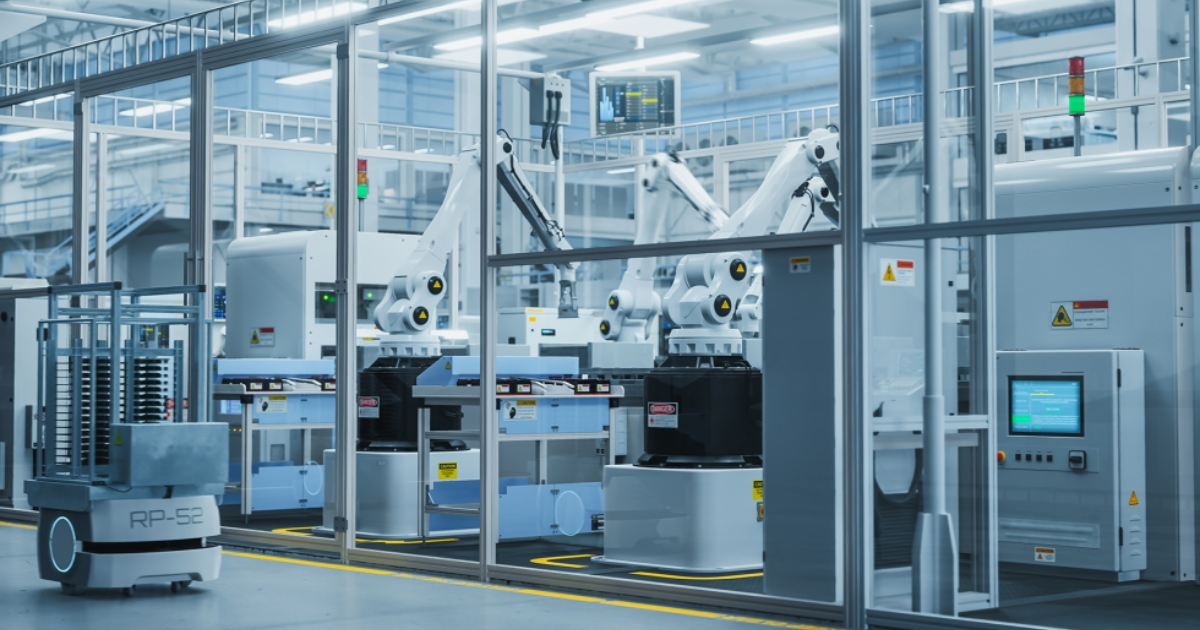
- Advanced automation and collaborative robotics
- MES Systems (Manufacturing Execution System)
- Artificial intelligence applied to quality control and predictive maintenance
- Digital twins.
These technologies improve traceability, optimize productivity and facilitate data-driven decision making. The value is not in isolated technology, but in its integration within the productive system.
Organizational culture and process innovation
The study also highlights the importance of organizational culture as a catalyst for change. Companies with a solid track record in process innovation show greater capacity to integrate new technologies and adapt to dynamic environments.
Process innovation is not limited to incorporating digital tools; involves redesigning workflows, train teams and foster a mindset aimed at continuous improvement.
No culture of continuous improvement, digitalization loses transformative capacity.
Industry 4.0 as a competitive advantage
Organizations that combine strategic leadership, innovative culture and technological integration are building more efficient production models, resilient and competitive.
In an increasingly demanding industrial environment, digital transformation is consolidated as a differentiating element. Y, according to the Ceam Metal Studio, business leadership is the factor that turns technology into measurable results.